Siding and Trim Protected from New England Weather
Exterior Painting in Lebanon for peeling surfaces, faded colors, and weather-damaged wood
Homes in the Upper Valley Region face freeze-thaw cycles, UV exposure, and moisture that cause paint to crack, peel, and lose adhesion within years of application if surfaces aren't prepared correctly. Rampant Remodel & Tile LLC scrapes loose paint, sands rough areas, repairs damaged wood, applies primer to bare spots, and finishes with coatings formulated to withstand New England's temperature swings and precipitation patterns. Exterior painting becomes necessary when siding shows bare wood, trim splits from moisture absorption, or curb appeal declines to the point that it affects property value.
The process starts with power washing to remove dirt, mildew, and loose paint, followed by scraping and sanding to create smooth surfaces where new paint can bond. Rotted wood is replaced or repaired before priming, caulk is applied to gaps where water can penetrate, and multiple finish coats are brushed or rolled onto siding, trim, fascia, soffits, doors, and porch surfaces. Premium coatings designed for exterior use include UV inhibitors and mildewcides that slow degradation from sunlight and organic growth common in shaded or north-facing areas.
Schedule an exterior painting consultation to assess surface conditions, identify necessary repairs, and review coating options suited to your home's exposure.
Why Surface Repairs Extend Coating Life
Proper preparation includes replacing fascia boards softened by gutter overflow, filling cracks in trim where water has penetrated, and sanding glossy surfaces so new paint bonds mechanically rather than sitting on top of a slick layer that will eventually separate. Priming bare wood seals the surface and prevents tannins from bleeding through topcoats, which is especially important on cedar and redwood siding common in older Lebanon homes.
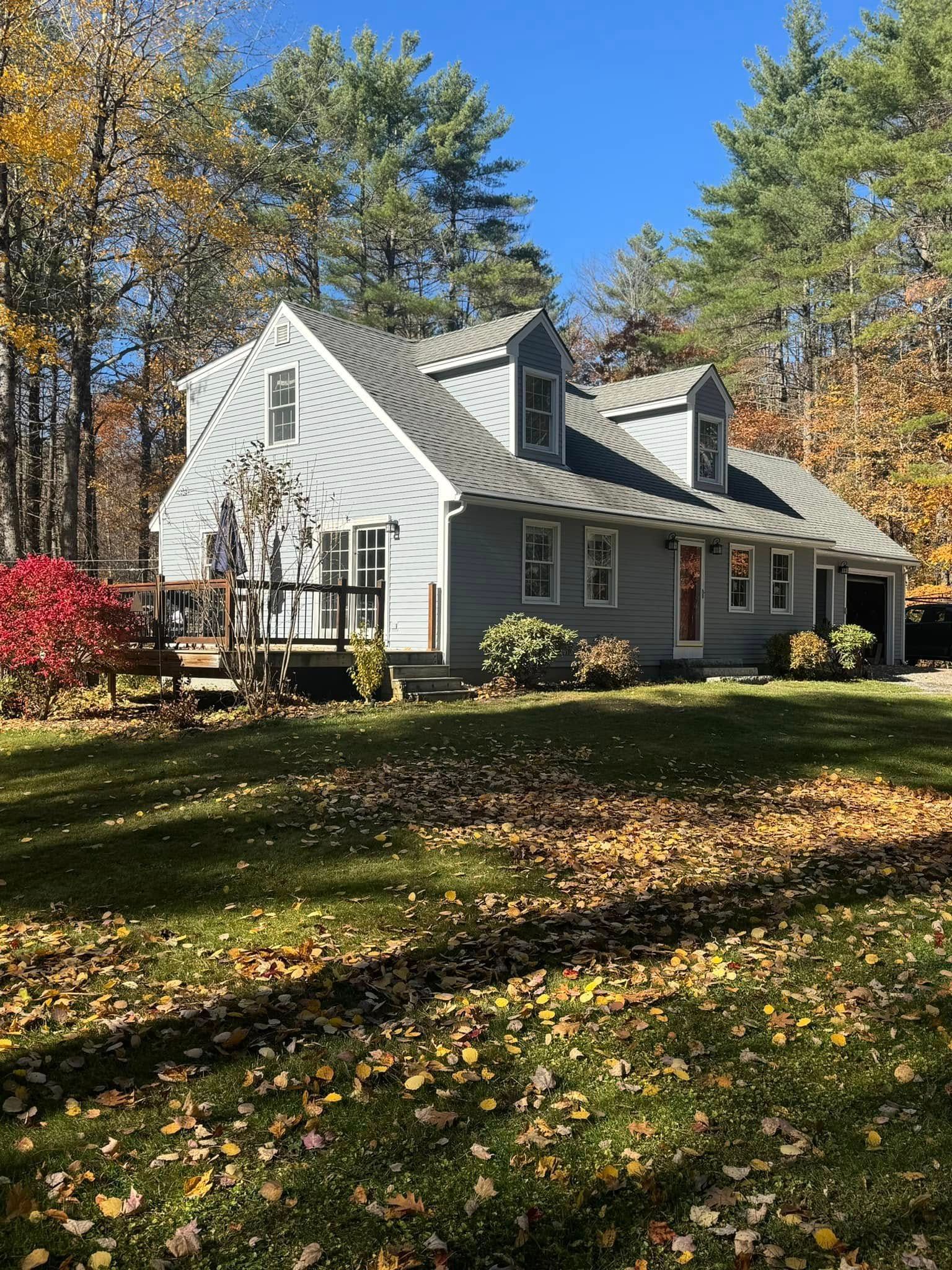
After painting is complete, siding appears uniform in color without streaks or areas where the old color shows through, trim joints are sealed against water intrusion, and coatings flex with wood movement rather than cracking during seasonal expansion and contraction. You'll notice that surfaces shed water instead of absorbing it, doors and shutters match the intended color without fading, and fascia resists staining from roof runoff. Painted surfaces remain intact through winter snow, spring rain, and summer heat without blistering or peeling at edges where moisture enters.
Routine maintenance like washing siding every few years and touching up small chips before they expose bare wood can extend the time between full repaints, particularly on surfaces that receive direct sun or wind-driven rain. The initial coating quality and surface preparation determine whether repainting is needed in five years or fifteen, making the upfront investment in scraping, priming, and using durable topcoats critical to long-term protection.
Common Questions About This Service
Homeowners often ask about timing, surface preparation, and how to evaluate coating quality before committing to exterior painting projects.
What surface repairs are typically needed before painting?
Repairs include replacing rotted trim or fascia, filling cracks with exterior-grade caulk or wood filler, reattaching loose boards, and sanding rough areas where previous paint has failed or wood grain has raised from moisture exposure.
How does Lebanon's climate affect exterior paint longevity?
Freeze-thaw cycles cause water trapped in wood to expand and contract, breaking paint bonds if moisture penetrates cracks, while UV exposure from high-altitude sunlight degrades coatings faster than in lower elevations or cloudy climates.
When is the best season to schedule exterior painting?
Late spring through early fall provides temperatures that allow paint to cure properly and low humidity that prevents moisture from interfering with adhesion, though specific timing depends on weather patterns and avoiding periods of heavy pollen or rain.
What coating types resist mildew and fading best?
Acrylic latex paints with mildewcides and UV inhibitors perform well in New England, offering flexibility during temperature changes and resistance to moisture without the brittleness of older oil-based formulas that crack as wood moves.
How can I tell if my home needs repainting or just cleaning?
If paint is intact but dirty, power washing restores appearance—repainting becomes necessary when you see bare wood, widespread cracking, peeling larger than isolated chips, or chalking where paint rubs off on your hand when touched.
Rampant Remodel & Tile LLC evaluates each exterior surface for damage, prepares substrates to accept new coatings, and applies finishes that protect your home from moisture and UV degradation. Call to arrange an exterior painting consultation and review surface conditions, necessary repairs, and coating options that match your home's exposure and material types.