Details That Complete Every Painted Room
Trim & Finish Painting in Lebanon for baseboards, crown molding, door casings, and window trim that define room appearance
Baseboards with paint buildup along edges, door casings showing scuff marks from years of contact, and crown molding with inconsistent sheen create visual distractions that undermine otherwise well-maintained rooms. Trim and finish painting addresses every piece of millwork that frames walls and openings, using precision techniques that produce clean lines and durable surfaces. Rampant Remodel & Tile LLC handles trim painting throughout the Upper Valley Region as part of interior painting projects or remodeling work where new or existing trim needs professional finishing.
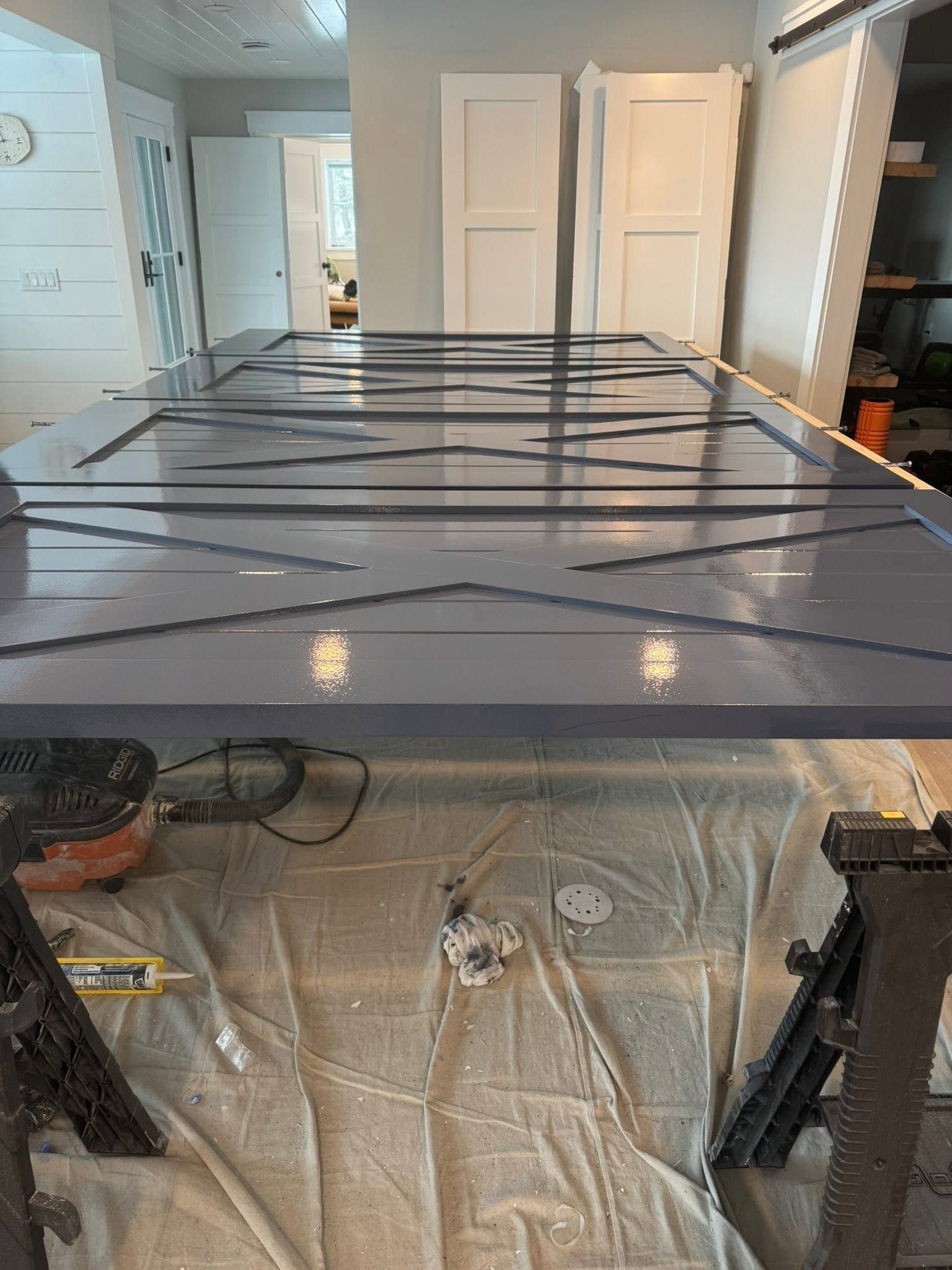
The work begins with sanding that smooths previous coats and roughens glossy surfaces enough for new paint to bond, followed by caulking that fills gaps between trim and walls or where mitered corners have separated over time due to seasonal wood movement. Primer covers repairs and bare wood, then topcoats get applied with brushes small enough to maintain control along edges while avoiding drips that create visible texture once dry.
Request a trim painting estimate to review millwork throughout your home and discuss finish preferences.
Why Proper Trim Painting Requires Different Techniques
Trim painting demands steadier hand control than wall painting because baseboards, casings, and crown molding include profiled surfaces with grooves and raised details that trap excess paint if application isn't controlled. Caulking prevents the hairline gaps that become more noticeable as paint ages and seasonal humidity changes cause slight wood expansion and contraction, which is why properly prepared trim maintains crisp lines even years after application.
You'll notice trim that looks sharp against walls, with consistent color coverage and no visible brush marks disrupting the surface, plus edges stay clean where different colors meet without the bleed-through that happens when painters skip proper taping or rush application. Semi-gloss and satin finishes resist scuffing better than flat paint, which matters for baseboards and door casings that get contacted regularly by feet, furniture, and hands.
Wainscoting, decorative millwork, and built-in shelving receive the same preparation and finish techniques as standard trim, though intricate profiles may require additional sanding and smaller brushes to reach recessed areas. Trim painting integrates naturally with wall repainting since both happen during the same project timeline, allowing color coordination and eliminating the need for future touch-up work that rarely matches original application quality.
Common Trim Painting Questions Answered
Trim painting involves specific material considerations and technique decisions. These answers clarify what homeowners in Lebanon typically want to know before starting work.
What makes trim painting more time-intensive than wall painting?
Each piece of trim requires individual attention for sanding, caulking, cutting in along edges, and applying multiple coats without drips, whereas walls offer large continuous surfaces that move faster with roller application.
How does caulking improve the finished appearance?
Caulk fills the gaps that naturally develop between trim and walls or at mitered corners, creating seamless transitions that look intentional rather than exposing separation lines that draw attention to imperfections.
When should trim be painted before or after wall painting?
Painting trim after walls allows cleaner edge work since you can overlap slightly onto already-dried wall paint and then cut back with precision, though some painters prefer reversing the order depending on the specific room layout and trim condition.
What sheen level works best for trim in Lebanon homes?
Semi-gloss remains the standard choice because it highlights architectural detail while resisting moisture and cleaning better than flatter finishes, which matters in climates where humidity fluctuates seasonally and baseboards encounter regular contact.
How many coats does properly finished trim require?
Most trim needs at least two topcoats over primer to achieve uniform color and durability, though darker colors covering lighter existing paint may require a third coat to eliminate any visible undertone.
Trim updates pair with kitchen remodeling and interior painting projects to create cohesive room transformations. Contact Rampant Remodel & Tile LLC to schedule an evaluation of your existing trim condition and discuss finish options that complement your updated spaces.