Floors That Handle Moisture and Traffic Without Compromise
Tile Flooring Installation in Lebanon for kitchens, bathrooms, mudrooms, and entryways where durability and water resistance matter most
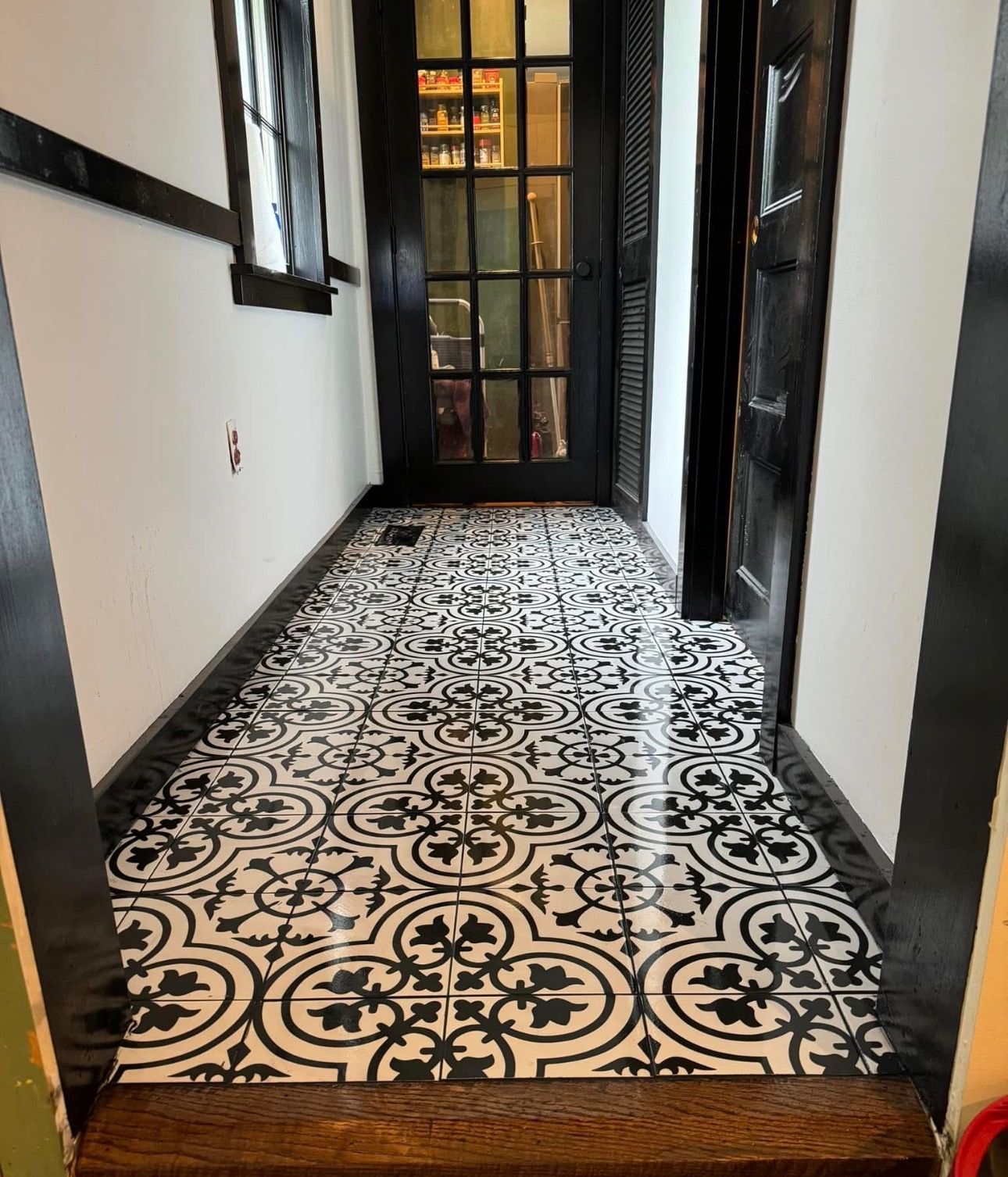
Moisture accumulation, tracked snow, and repeated foot traffic create conditions where many flooring materials fail prematurely, which is why tile remains the preferred choice for entryways, bathrooms, kitchens, and mudrooms throughout the Upper Valley Region. Tile flooring installation involves substrate preparation, leveling, waterproofing where appropriate, mortar application, tile placement in selected patterns, and grout installation that seals joints while accommodating slight movement. Rampant Remodel & Tile LLC installs ceramic, porcelain, and natural stone tile in sizes ranging from small mosaics to large-format planks, adapting layout and material selection to each room's specific moisture exposure and design goals.
Substrate evaluation identifies any deflection, unevenness, or moisture concerns that require correction before tile installation begins, since even minor floor movement causes grout to crack and tiles to loosen over time. Leveling compounds create flat surfaces where needed, waterproof membranes protect wood subfloors in wet areas, and mortar thickness compensates for remaining irregularities while providing the solid bond that prevents hollow-sounding tiles or premature failure.
Request a tile flooring estimate to review substrate condition, material options, and layout preferences for your project.
What Proper Substrate Preparation Prevents
Tile flooring performs only as well as the surface beneath it, which is why preparation focuses on eliminating deflection that causes cracking, correcting slopes that direct water toward vulnerable areas, and ensuring moisture levels remain within acceptable ranges for bonding materials. Porcelain tile offers higher density and lower water absorption than ceramic, making it better suited to freeze-thaw exposure in unheated mudrooms or outdoor-adjacent spaces. Natural stone provides unique appearance but requires sealing to resist staining and may need more frequent maintenance than manufactured tile.
You'll notice tile floors that feel solid without flexing underfoot, grout lines that remain intact without cracking at corners or along edges, and surfaces that shed water toward drains rather than allowing it to pool in low spots where standing moisture creates slip hazards and potential damage. Rampant Remodel & Tile LLC uses leveling systems during installation to keep large-format tiles perfectly aligned, preventing the lippage that creates uneven surfaces and premature edge chipping.
Layout decisions affect both appearance and maintenance, with larger tiles requiring fewer grout lines that need periodic cleaning while smaller mosaics provide better slip resistance in wet areas due to increased grout texture. Custom patterns, decorative borders, and accent tiles create visual interest, though more complex layouts require additional labor and precision cutting that extends installation time compared to standard grid patterns.
Tile Flooring Details Homeowners Need to Understand
Tile material properties, installation techniques, and maintenance requirements vary significantly. The following answers clarify common questions specific to tile flooring projects in Lebanon.
What separates porcelain from ceramic tile in practical performance?
Porcelain gets fired at higher temperatures, creating denser material with lower water absorption that resists freeze-thaw damage and staining better than ceramic, though ceramic costs less and works well in interior spaces without moisture extremes.
How does grout selection affect long-term maintenance?
Epoxy grout resists staining and moisture penetration better than standard cement grout, making it worth the additional cost in kitchens and bathrooms where spills and cleaning chemicals contact grout lines regularly.
When does waterproofing become necessary under tile floors?
Any area with direct water exposure—bathrooms, shower thresholds, laundry rooms—requires waterproof membranes that prevent moisture from reaching wood subfloors where it causes rot, mold, and structural damage over time.
What tile sizes work best for small bathrooms or tight spaces?
Smaller tiles create more grout lines that visually break up the floor, which can make small rooms feel busy, while larger tiles with minimal grout create cleaner appearance though they require more precise cutting around fixtures and in corners.
How long before tile floors can handle full use after installation?
Mortar typically cures enough for light foot traffic within 24 hours, but waiting 72 hours before heavy furniture or full use allows complete curing that ensures tiles remain properly bonded and grout reaches full hardness and moisture resistance.
Tile flooring pairs naturally with bathroom remodeling, kitchen updates, and shower installations where coordinated materials create cohesive design. Rampant Remodel & Tile LLC completes tile flooring throughout the Upper Valley Region as part of comprehensive renovations or standalone floor replacements. Schedule a consultation to review material samples and discuss layout options specific to your project requirements.